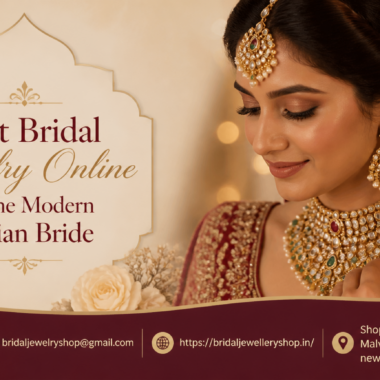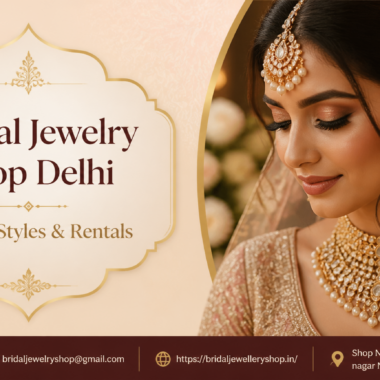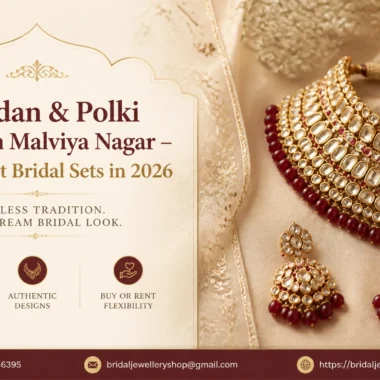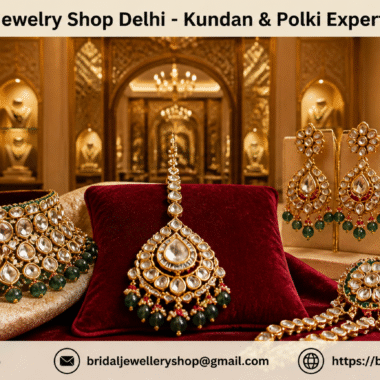
When it comes to completing a bridal look, few pieces command as much attention as the mathapatti—that stunning forehead ornament that frames the face and adds instant grandeur to any wedding ensemble. Yet finding the right mathapatti jewelry can feel overwhelming, especially when faced with countless design options, materials, and styling considerations.
Whether you’re a bride planning your wedding or a guest attending multiple ceremonies, understanding how to select and wear mathapatti jewelry is crucial to achieving that picture-perfect bridal aesthetic. This guide draws from industry expertise and the latest 2026 bridal jewelry trends to help you make the best choice for your face shape, occasion, and budget.
TL;DR / Quick Answer
A mathapatti is an ornamental forehead piece with extended chains that frame the face on both sides, offering more coverage than a traditional mang tika. In 2026, lightweight, layered mathapatti designs dominate bridal trends, combining comfort with architectural elegance. Selection depends on face shape, size, and personal style—with options ranging from kundan and polki designs to modern interpretations. Budget options and rental services make premium mathapatti jewelry accessible for any occasion.
Table of Contents
- What is Mathapatti Jewelry?
- Mathapatti vs. Maang Tikka: Key Differences
- Design Types and Variations
- Materials and Their Characteristics
- Selecting Mathapatti by Face Shape
- 2026 Bridal Jewelry Trends
- Styling Tips for Different Occasions
- Comfort and Wearability Considerations
- Budget Guide: From Affordable to Premium
- Expert Consultation and Shopping
What is Mathapatti Jewelry?
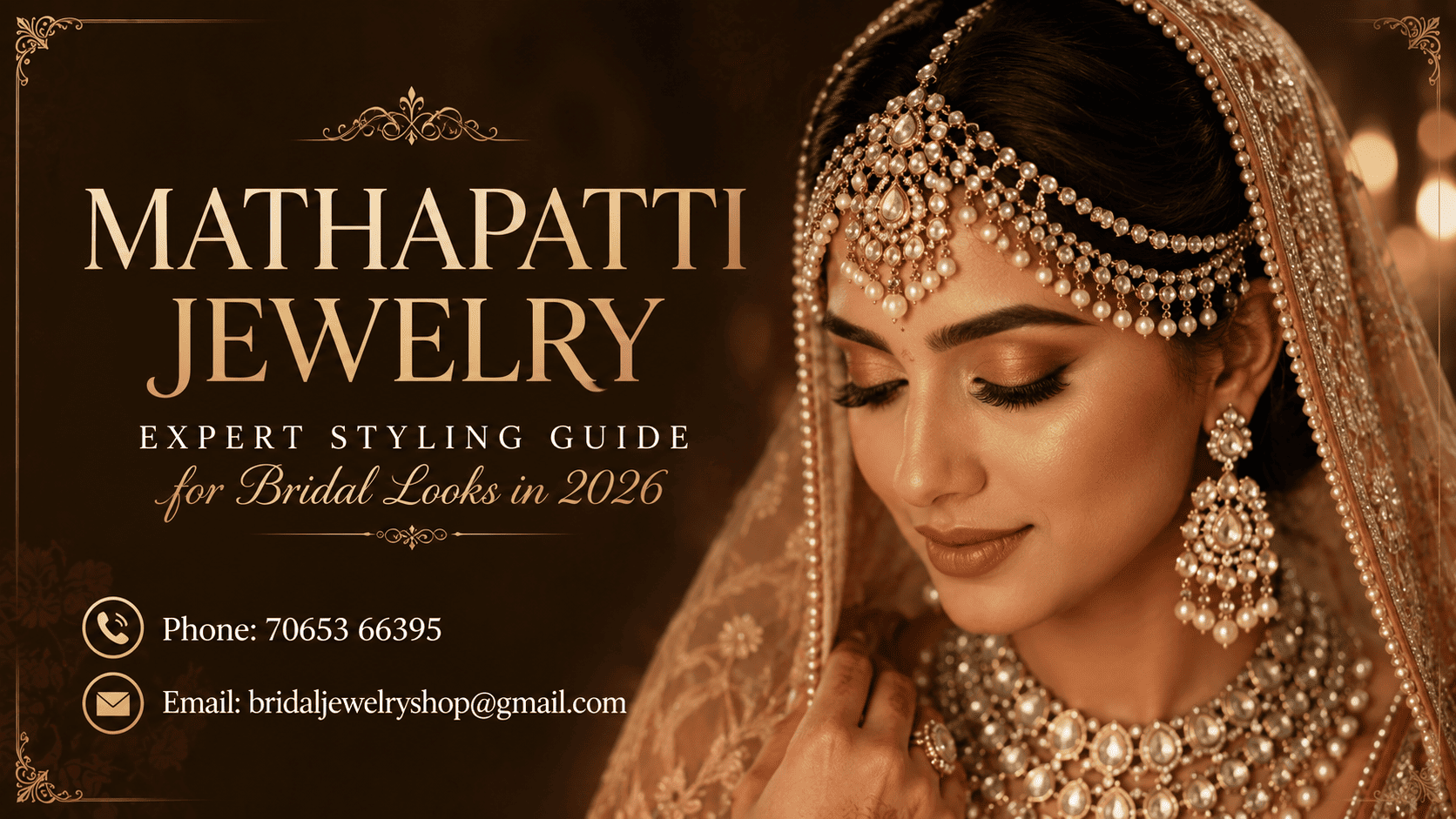
A mathapatti is a traditional Indian bridal ornament worn on the forehead, combining a central pendant (called the tikka) with extended decorative chains that drape across the hairline on both sides. The word “mathapatti” itself comes from two Sanskrit roots: “matha” meaning forehead, and “patti” meaning a strap or band.
This elegant piece is much more elaborate than its simpler predecessor, the mang tika. The extended chains create a stunning frame around the face, drawing focus to your eyes and cheekbones while adding significant visual impact. Historically worn across North India, the mathapatti has evolved into a beloved choice for brides across all regions, with regional variations reflecting local design aesthetics.
The mathapatti typically connects to the center parting of the hair and is secured with traditional hooks that rest on the scalp. The chains hang gracefully along the hairline, often studded with stones, pearls, or intricate metalwork that catches light and creates an ethereal effect in photographs.
Mathapatti vs. Maang Tikka: Key Differences
While these terms are sometimes used interchangeably, there are important distinctions between a mathapatti and a maang tika:
Maang Tika:
- Simpler, more minimalist design
- Features a single pendant hanging from the center hair parting
- Chains, if present, are shorter and less elaborate
- Lightweight and easier to manage for all-day wear
- Better suited for small faces or minimalist styling
- Typically less expensive
Mathapatti:
- More elaborate and ornate design
- Includes extended chains across the hairline on both sides
- Creates a more dramatic framing effect around the face
- Heavier due to additional metalwork and stones
- Better suited for medium to large faces
- Requires confident styling and longer ceremonies
- Generally positioned as a premium bridal piece
The key difference lies in coverage and visual impact. A mathapatti is essentially an expanded version of the maang tika, designed to create a complete, architectural frame around the face. This makes it the preferred choice for brides seeking maximum visual impact during major ceremonies like weddings and haldi functions.
Design Types and Variations
Modern mathapattis come in numerous design styles, each suited to different preferences and occasion types:
Kundan Mathapatti
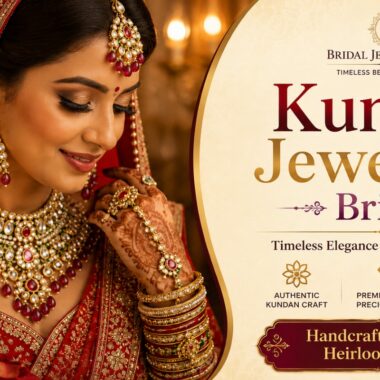
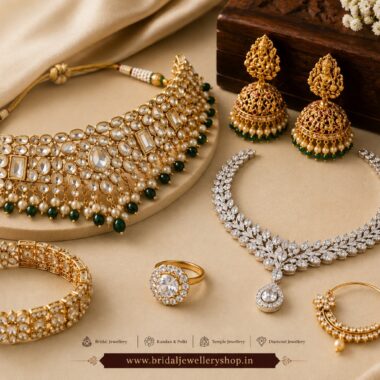
Kundan jewelry represents one of the most traditional and luxurious mathapatti options. Featuring gemstones set in gold using the ancient kundan technique, these designs exude timeless elegance. Kundan mathapattis typically range from Rs. 9,000 to Rs. 15,000, making them accessible luxury pieces. The intricate craftsmanship ensures these pieces become beloved collection items.
When browsing kundan options, look for those with balanced stone placement that complements your face shape rather than overwhelming it.
Polki Mathapatti
Polki designs offer a more contemporary aesthetic while maintaining traditional authenticity. These pieces use larger, cut and polished stone-inspired designs set in gold, creating bold yet elegant statements. Polki mathapattis photograph beautifully and work well for brides seeking pieces that read well on camera.
The layered polki mathapatti trend that dominated 2025-2026 bridal seasons features multiple tiers of graduated stones, creating dimensional depth that frames the face architecturally.
Pearl-Studded Designs
For brides seeking softer, more romantic aesthetics, pearl-studded mathapattis combine pearls with gold metalwork or stone accents. These pieces work particularly well for mehendi and haldi functions, offering a lighter visual weight than kundan alternatives while maintaining traditional appeal.
Lightweight Modern Interpretations
The 2026 bridal trend emphasizes comfort without sacrificing grandeur. Modern mathapattis feature hollow gold work, minimal stone setting, and strategic weight distribution that allows for all-day wear without neck strain or headaches. These designs typically cost less than traditional kundan while offering contemporary styling options.
Chandbali and Floral Motifs
Design influences from various Indian regions have introduced chandbali (crescent-moon-shaped) elements and floral patterns to mathapatti styling. These designs add personality and regional authenticity, particularly popular among brides honoring specific cultural heritage.
Materials and Their Characteristics
Understanding materials helps you make informed choices based on budget and durability:
Traditional Gold with Kundan Stones:
- Most prestigious and expensive option
- Ideal for brides investing in multiple-wear pieces
- Requires professional cleaning and maintenance
- Best for brides purchasing rather than renting
Gold-Plated Designs:
- Offers luxury appearance at lower price points
- Suitable for event-specific wear
- More accessible for budget-conscious brides
- May require replating after extended use
Polki and Synthetic Stone Combinations:
- Blends traditional aesthetics with modern affordability
- Excellent for rental options
- Durable for multiple wearings
- Photographs beautifully despite lower cost
Temple Jewelry Styles:
- Durable, often in antique gold finish
- Suitable for traditional regional aesthetics
- Excellent for RTW (ready-to-wear) options
- Generally more affordable than kundan
Selecting Mathapatti by Face Shape
One of the most critical factors in mathapatti selection is compatibility with your face shape. A poorly chosen piece can overwhelm your features, while the right mathapatti beautifully enhances your face.
Round Face
For round faces, the goal is to create visual elongation. Position your mathapatti slightly further back from the hairline rather than at the very front. This creates the illusion of length and prevents the piece from emphasizing the fullness of your face.
Best styles: Elongated designs with vertical stone placement, pieces with graduated chains that draw the eye upward rather than across.
Avoid: Heavily studded designs across the entire hairline, as these can add width to already rounded features.
Oval Face
Oval faces are blessed with natural balance and work well with most mathapatti designs. You have flexibility in choosing based on personal preference rather than corrective styling.
Best styles: Any design that appeals to your aesthetic—this is your opportunity to be adventurous with bold kundan designs, layered pieces, or dramatic chandelier-style mathapattis.
Pro tip: Frame your already-balanced features with designs that complement your outfit rather than correcting proportions.
Long/Rectangular Face
Longer faces benefit from mathapattis that create horizontal visual balance. Wear your piece lower on the forehead rather than pulled back, and choose designs with wider, more distributed stone placement across the chains.
Best styles: Pieces with substantial horizontal coverage, designs featuring multiple strands of pearls or stones, wider central tikkas that draw focus inward.
Avoid: Overly elongated designs that further emphasize facial length.
Heart-Shaped Face
Heart-shaped faces are wider at the forehead and narrower at the chin. Choose mathapattis that balance this proportion by emphasizing the lower face rather than the forehead.
Best styles: Pieces with graduated stone placement that’s lighter at the hairline and heavier toward the sides, designs that frame rather than fill the entire forehead.
Diamond/Square Face
Square faces benefit from softening designs that provide height and visual balance. Choose mathapattis with graceful lines rather than heavy, geometric patterns.
Best styles: Curved, organic designs with peaked central tikkas that add vertical interest, pieces with elegant chandelier chains rather than straight lines.
2026 Bridal Jewelry Trends
The bridal jewelry landscape has shifted significantly in 2026, prioritizing wearability alongside luxury:
Lightweight Luxury Dominates
Gone are the days of uncomfortable, heavy pieces that require constant adjustment. In 2026, polki-styled tikkas and layered mathapattis frame the face with architectural elegance while remaining light enough for all-day wear. These pieces feature clever hollow gold construction and strategic stone placement that maximizes visual impact while minimizing actual weight.
Layered Designs Take Center Stage
Rather than one heavy piece, layered mathapattis feature multiple graduated tiers of stones and chains. This approach creates dimensional depth visible in photographs while distributing weight more comfortably. Brides are moving toward designs that offer visual grandeur without the physical burden.
Versatility and Investment Value
Modern brides no longer want jewelry that “sits in a locker after the wedding.” The trend leans toward detachable elements and versatile pieces that transition seamlessly from wedding ceremonies to festive occasions. Some contemporary mathapattis feature removable side chains or adjustable stone settings, extending their utility beyond the wedding.
Comfort as Non-Negotiable
Professional jewelry stylists now conduct comfort tests as part of the selection process—trying pieces during normal activities to identify irritation points or heaviness issues. Smart craftsmanship ensures elaborate designs remain comfortable even during long ceremonies.
Styling Tips for Different Occasions
Different wedding ceremonies call for different mathapatti styling approaches:
Wedding Day Styling
Your primary wedding ceremony deserves your most statement-making mathapatti. This is where you can go bold with layered designs, extensive stone work, and dramatic chains. Pair substantial mathapattis with coordinating necklaces and ensure your makeup emphasizes your eyes (which the mathapatti will draw focus toward).
Pro tip: Choose designs with long, graduated chains for ceremonies where you’ll be sitting (as during pheras). This prevents the piece from pressing awkwardly against your forehead.
Mehendi Styling
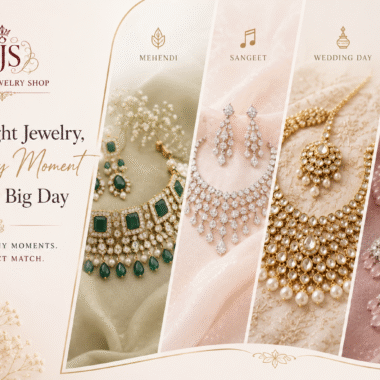
Mehendi functions call for lighter, more playful energy. Consider polki-styled mathapattis in warm gold tones, or pearl-studded designs that feel celebratory without overwhelming your colored mehendi outfit. Many brides opt for slightly smaller mathapattis during daytime functions.
Haldi Styling
Haldi’s turmeric-paste rituals require practical considerations. Choose mathapattis that won’t be damaged by turmeric stains (avoiding lighter-colored stones) and consider styles that allow for easier removal if needed. Temple jewelry or traditional designs work beautifully for haldi aesthetics.
Reception and Festive Wear
If you’re repurposing your bridal mathapatti for receptions or subsequent events, pair it with different outfits to create entirely new looks. A kundan mathapatti worn with contemporary fusion wear creates an interesting juxtaposition, while the same piece with traditional attire appears timeless.
Comfort and Wearability Considerations
Beyond aesthetics, practical wearability determines whether you’ll actually enjoy wearing your mathapatti:
Weight Distribution
Professional jewelry stylists understand that weight should distribute evenly across the head, with smooth edges and secure fittings. A properly fitted mathapatti shouldn’t create pressure points, cause headaches, or restrict movement.
Test before committing: Try your chosen mathapatti for extended periods (2-3 hours minimum) during normal activities to identify discomfort issues before your wedding day.
Secure Fastening
Traditional hooks should grip firmly without pulling hair. Properly secured mathapattis won’t slip during movement or ceremonies, eliminating the need for constant adjustment.
Hair Compatibility
Fine, delicate hair requires lighter pieces that won’t cause breakage or stress the scalp. Thicker hair can support heavier designs without concern. Consider your hair type when selecting both design and weight.
Skin Sensitivity
Gold can occasionally cause reactions on sensitive skin, particularly at the hook contact points. Consider protective coverings or choose alternative materials if you have known sensitivities.
Budget Guide: From Affordable to Premium
Mathapatti jewelry accommodates every budget:
Premium Investment Pieces (Rs. 12,000+)
These kundan and high-quality polki pieces represent significant investments suitable for brides purchasing pieces to wear multiple times or enjoy as collection pieces. Premium pieces feature superior craftsmanship, quality materials, and designs that never feel dated.
Mid-Range Quality (Rs. 5,000–12,000)
This range offers excellent quality modern designs and traditional styles without premium pricing. You’ll find durable polki designs, well-crafted kundan pieces, and contemporary interpretations that look beautiful without requiring five-figure budgets.
Budget-Conscious Options (Rs. 2,000–5,000)
Temple jewelry, gold-plated designs, and synthetic stone combinations deliver beautiful aesthetics at entry-level pricing. These pieces work perfectly for rental wear or brides seeking affordable options without compromising on visual impact.
Rental Services
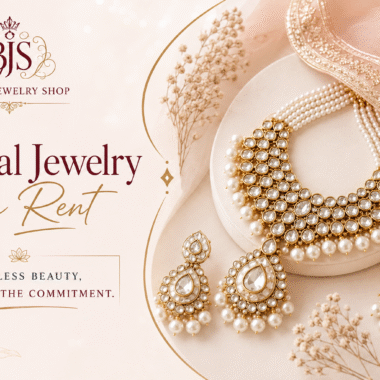
If purchasing feels prohibitive, jewelry rental services offer elegant mathapatti options without purchase commitment. Rental typically costs 10-20% of the purchase price, making premium pieces accessible for one-time wear. This option works particularly well for wedding guests attending multiple ceremonies.
Expert Consultation and Shopping
Selecting the perfect mathapatti benefits enormously from professional guidance:
Working with Styling Experts
Professional jewelry consultants can assess your face shape, recommend designs that complement your specific features, and advise on which pieces work for your intended occasions. They understand how different styles photograph and appear in person.
The best consultation approach involves bringing your intended outfit to the appointment. Experts can coordinate jewelry with fabric colors, embroidery patterns, and overall aesthetic, ensuring your mathapatti complements rather than clashes with your bridal look.
Trying Before Committing
Reputable jewelry retailers like those offering styling consultation services allow you to try mathapattis with your actual outfit before finalizing purchases. This removes guesswork and prevents costly mistakes.
Understanding Quality
Beyond aesthetics, quality jewelry specialists can educate you on craftsmanship, material durability, and long-term maintenance. Understanding what you’re investing in helps justify costs and set realistic expectations for aftercare.
Conclusion
Mathapatti jewelry remains one of bridal fashion’s most transformative pieces, capable of elevating even simple outfits into complete, sophisticated wedding looks. The key to finding your perfect mathapatti lies in understanding your face shape, prioritizing comfort alongside beauty, and selecting styles aligned with current trends that emphasize wearability.
Whether you’re investing in a timeless kundan piece, exploring modern polki designs, or renting for your events, remember that the best mathapatti is one you’ll actually enjoy wearing. Take time for professional consultations, try pieces with your outfits, and prioritize comfort without sacrificing visual impact.
Find Your Perfect Mathapatti Today
Ready to find your perfect mathapatti? The expert team at Bridal Jewelry Shop offers personal styling consultation with professionals like Vinni and Deepak, who specialize in matching jewelry to your unique features and wedding vision. With rental options available for budget-conscious brides and quality pieces for those investing in collection jewelry, you’ll find the perfect mathapatti to frame your bridal beauty.
Contact for Styling Consultation
Location: Malviya Nagar, Delhi
FAQs
1. What is mathapatti jewelry?
Mathapatti jewelry is a traditional Indian forehead ornament featuring a central pendant with extended decorative chains across the hairline on both sides. The word “mathapatti” comes from Sanskrit—”matha” meaning forehead and “patti” meaning a strap or band—creating an elegant framing effect around the face.
2. How do I choose a mathapatti based on my face shape?
Face shape selection is crucial: oval faces can wear any style; round faces should position pieces slightly back to create elongation; long faces benefit from horizontal designs; heart-shaped faces need balanced proportions; square faces suit curved, graceful designs. Try pieces with your actual outfit and consult professionals to confirm the fit before finalizing your choice.
3. What’s the difference between mathapatti and maang tika?
A maang tika is a simpler, more minimalist piece with a single pendant from the center hair parting, while mathapatti is more elaborate with extended chains framing the entire face. Mathapatti is heavier, more ornate, and ideal for dramatic bridal looks, whereas maang tika suits simpler styling and small faces.
4. What materials are used in mathapatti jewelry?
Common materials include kundan (gemstones in gold), polki (larger cut and polished stone-inspired designs), pearls, gold-plated designs, temple jewelry, and synthetic stone combinations. Material choice affects both price and durability—traditional kundan pieces are investment-quality, while modern gold-plated and polki designs offer affordable luxury.
5. How much should I spend on a mathapatti?
Budget options range from Rs. 2,000–5,000 (temple jewelry and synthetic designs), mid-range from Rs. 5,000–12,000 (quality kundan and polki), to premium pieces at Rs. 12,000+ for investment-quality jewelry. Rental services offer premium pieces for 10-20% of purchase price, making luxury accessible for temporary wear.
6. Can I wear a mathapatti all day without discomfort?
Yes, if properly selected and fitted. Modern 2026 designs prioritize lightweight construction, even weight distribution, and secure fastening. Test pieces for 2-3 hours before purchase to identify discomfort issues, and consult professionals about proper fitting and hair type compatibility.
7. What are the 2026 bridal jewelry trends for mathapatti?
2026 trends emphasize lightweight luxury, layered designs with dimensional depth, comfort as non-negotiable, and versatile pieces that transition beyond the wedding. Modern brides favor architectural layering over heavy single pieces, and prioritize wearability throughout long ceremonies.
8. Where can I get expert help selecting my mathapatti?
Professional jewelry stylists offer consultation services assessing your face shape, outfit coordination, and design preferences. Bring your bridal outfit to appointments for accurate color and design matching. Expert consultants ensure you select pieces that complement your specific features and won’t cause discomfort during extended wear.