Polki Necklaces: A Guide to Traditional Bridal Beauty
Introduction
Few bridal jewellery pieces carry the romance, weight, and old-world grandeur of a Polki necklace. Worn by Mughal empresses, Rajput queens, and modern brides from Delhi to Jaipur, these layered, stone-studded necklaces have become the centrepiece of contemporary Indian bridal styling. Unlike lighter everyday pieces, a Polki-style necklace commands attention — it frames the face, anchors the lehenga, and tells a story of craftsmanship that dates back centuries.
If you are a bride-to-be planning your wedding trousseau, a relative helping with the shopping, or simply a lover of traditional Indian aesthetics, this guide will walk you through everything that matters: the heritage, the styles, how to pick one for your face shape and outfit, and the smartest ways to buy or rent one without overspending. By the end, you will know exactly what to ask when you walk into a showroom — and what to look for in a Polki-style necklace that is truly worth the moment.
TL;DR / Quick Answer
A Polki necklace is a layered traditional Indian bridal necklace inspired by 16th-century Mughal court jewellery, featuring a polki-style look set in gold-finish metalwork and finished with enamel detailing. Today, most modern brides wear polki-style fashion versions or rental pieces that capture the royal aesthetic at accessible price points. To choose the right Polki necklace, match the length and weight to your neckline and face shape, decide between buying and renting based on your budget, and care for it with dry-cloth cleaning and separate storage.
Table of Contents
- What Is a Polki Necklace?
- The Royal Heritage Behind Polki Necklaces
- Popular Styles of Polki Necklaces Every Bride Should Know
- How to Choose a Polki Necklace for Your Face Shape and Neckline
- Styling a Polki Necklace Across Bridal Occasions
- Budget and Buying Guide: Buying, Renting, or Borrowing
- Caring for Your Polki Necklace: Maintenance That Lasts
- Frequently Asked Questions
What Is a Polki Necklace?
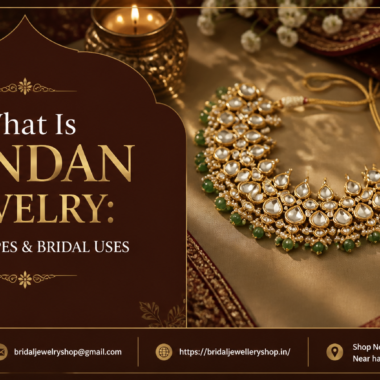
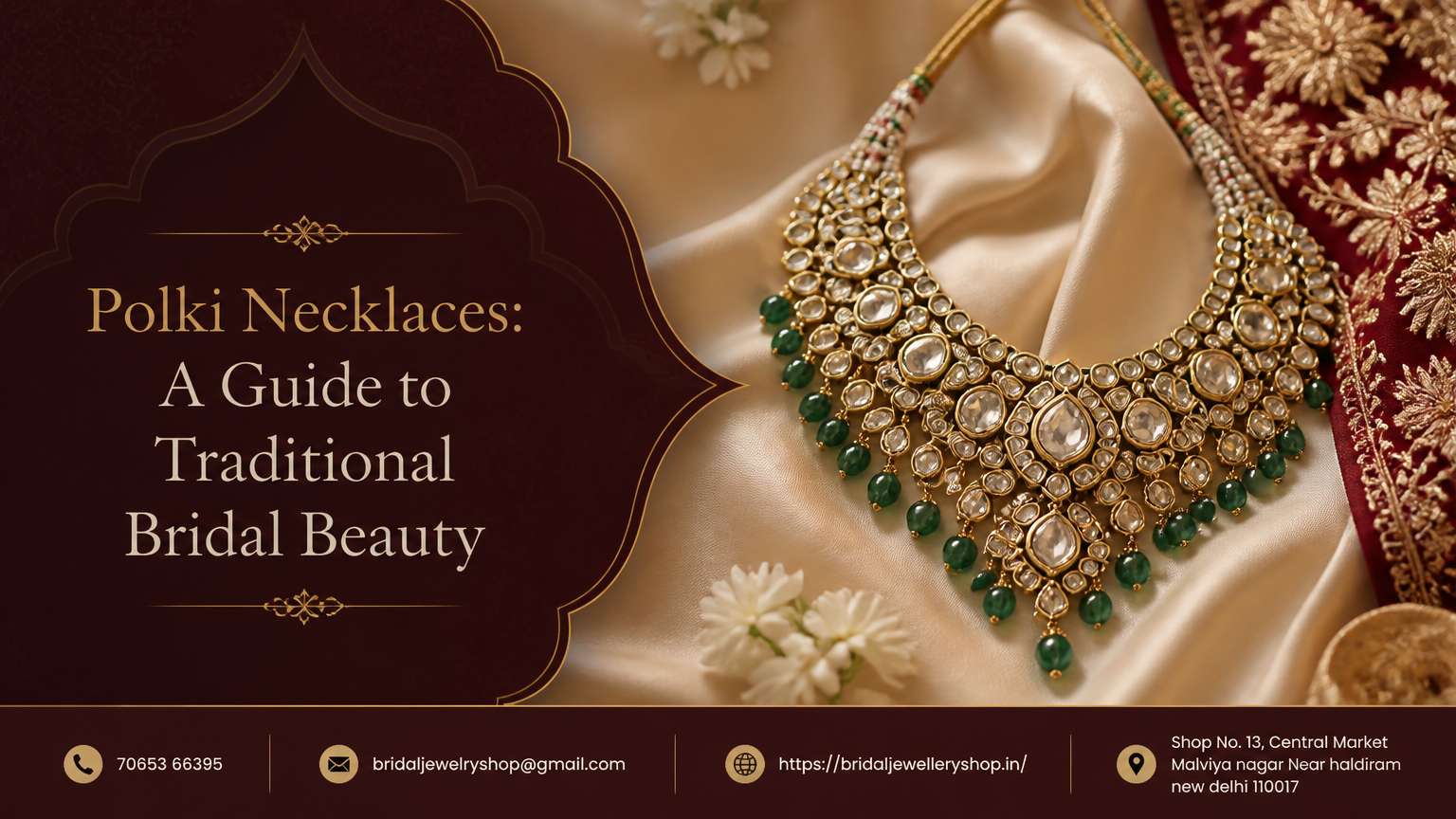
A Polki necklace is a traditional Indian bridal necklace made using a polki-style look — flat-backed, irregularly shaped stones set in gold-finish metal foil within a closed-back setting, often paired with meenakari-style enamelling on the reverse. The stones are not faceted like modern diamonds; instead, they retain a raw, organic shimmer that gives each piece its signature understated glow. Most Polki necklaces are layered — a choker sits closest to the throat, a longer rani haar falls on the collarbone, and an even longer third strand drapes toward the sternum, creating the regal, multi-tiered silhouette Indian bridal styling is known for.
For modern brides, polki-style necklaces are the practical entry point. These designer imitation versions use high-quality crystals, kundan-style glass stones, and gold-finish alloy to recreate the royal look at accessible prices. You can browse a curated Polki Necklace Collection that captures this exact aesthetic — heritage-inspired, fully styled, and meant to be worn with confidence on the wedding day.
The Royal Heritage Behind Polki Necklaces
The story of Polki begins in the Mughal courts of the 16th and 17th centuries, when emperors like Akbar and Shah Jahan commissioned elaborate neckpieces featuring polki-style stones set in gold metalwork, finished with vibrant meenakari enamelling on the underside. The technique required extraordinary skill — each stone was hand-shaped, individually foiled, and secured without modern tools, a craft that took artisans years to master. As Mughal patronage declined in the 18th century, master karigars migrated westward to the Rajput courts of Jaipur, Jodhpur, and Bikaner, where Polki was perfected into the bridal heirloom craft recognised today (Vogue India).
What began as a court craft gradually entered the bridal trousseau of Rajput, Marwari, and wealthy merchant families across Rajasthan, Gujarat, and the Punjab. By the early 20th century, Polki was no longer just royal jewellery — it was the bridal standard. The contemporary chapter opened in 2008 with Aishwarya Rai’s look in Jodhaa Akbar, followed by Deepika Padukone in Bajirao Mastani and the 2024 Netflix series Heeramandi, which reintroduced Polki to a generation of brides who had never seen it worn outside museums. Today, brides from metros to smaller towns actively seek out polki-style necklaces because the silhouette photographs beautifully, flatters every face shape, and carries a heritage story they are proud to wear (Harper’s Bazaar India).
Popular Styles of Polki Necklaces Every Bride Should Know
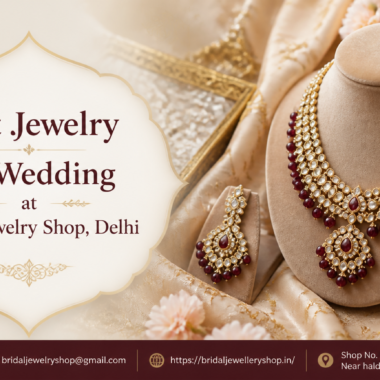
Polki necklaces come in a vocabulary of distinct silhouettes, and understanding them helps you describe what you want rather than just pointing at pictures. The Choker + Rani Haar Set is the most traditional and most rented — a tight collar-length choker paired with a longer second layer that sits just above the bust. The Three-Layer Bridal Set adds a third, even longer strand for maximum drama and is the silhouette most associated with North Indian and Rajasthani weddings. The Single-Strand Polki Haar is a lighter, contemporary option ideal for sangeet, reception, or the modern bride who prefers minimal layering.
For shorter frames, Short Collar Polki necklaces (also called guluband style) sit high on the neck and draw the eye upward — pairing beautifully with deep V-neck blouses and high-neck anarkalis. For taller or leaner brides, Long Polki Haar pieces that fall past the sternum create an elegant vertical line and pair stunningly with dupatta-draped silhouttes. There is also the Polki + Pearl Blend, where pearls are woven between the stone settings to soften the look — a favourite for daytime ceremonies and pastel lehengas. To explore how each style sits against different bridal looks, the curated Shop Polki Necklaces collection lets you compare lengths, weights, and stone finishes side by side.
How to Choose a Polki Necklace for Your Face Shape and Neckline
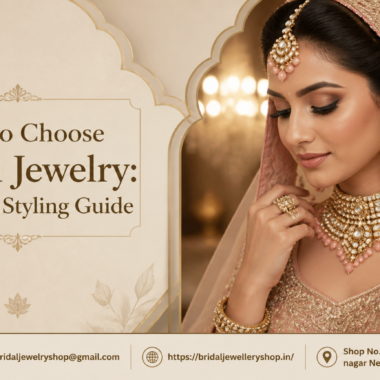
Picking the right Polki necklace is less about trends and more about geometry — what flatters your face shape and complements your blouse neckline. For round faces, opt for longer rani haar strands that create vertical length and avoid chokers that visually shorten the neck. For oval faces, almost every Polki silhouette works, but a three-layer bridal set photographs most symmetrically. For heart-shaped faces, a balanced choker + medium-length rani haar combination keeps the proportions even — avoid very long single strands that emphasise a narrow chin. For square faces, look for softer, rounded Polki motifs (think floral or paisley settings) rather than angular geometric clusters.
Neckline matters just as much. A deep V-neck blouse pairs beautifully with a single long Polki haar or a choker-plus-longer-layer set that frames the V without competing with it. A high-neck anarkali or full-sleeve blouse calls for a shorter, statement choker or a guluband-style piece, since a long necklace would clash with the closed neckline. A boat neck or off-shoulder blouse is the most versatile — almost any Polki length works here. Bring your actual outfit when you shop. The experienced consultants at Bridal Jewelry Shop, including Vinni and Deepak, regularly help brides match necklaces to specific blouse cuts, fabrics, and even dupatta drape styles, ensuring the piece you choose looks intentional rather than improvised.
Styling a Polki Necklace Across Bridal Occasions
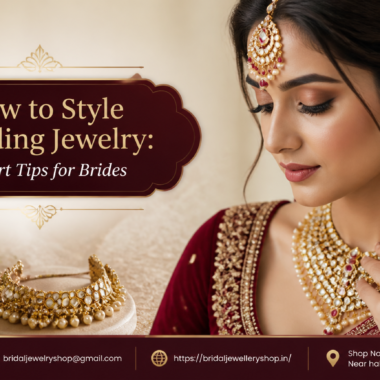
A smart bride does not buy one Polki necklace — she curates different pieces for different ceremonies, because wearing the same heavy bridal set across five events quickly becomes tiring and photographs as repetitive. For the Mehendi, choose a lightweight, single-strand polki-style piece or a shorter choker in pastel meenakari — bright colours, easy movement, and no weight pulling on the neck during hours of henna application. For the Sangeet, escalate to a two-layer set with movement-friendly length, and pair it with statement earrings that echo the motifs but do not overwhelm. For the Wedding Day, this is where the three-layer bridal Polki set earns its place — heavy, regal, layered, and paired with matching maang tikka, mathapatti, and jhumkas to complete the bridal silhouette.
For the Reception, contemporary brides are increasingly choosing sleeker, modern Polki designs — single long strands, polki-and-pearl blends, or geometric settings — that photograph well under stage lighting without looking heavy. For the post-wedding griha pravesh or family introductions, a single short Polki choker with a mang tikka feels respectful without being excessive. The biggest styling mistake brides make is wearing their heaviest bridal set to the mehendi or sangeet — save the drama for the wedding morning itself, and let each ceremony breathe with its own appropriately weighted Polki piece.
Budget and Buying Guide: Buying, Renting, or Borrowing
The honest truth about Polki necklaces in 2026 is that heritage versions in traditional craftsmanship remain serious investments — the broader Indian bridal jewellery market crossed INR 8.69 thousand crore in 2025 and is forecast to reach INR 14.20 thousand crore by 2033, with necklaces leading at a 33.3% product share (Marc Global / Grand View Research). For most modern brides, however, the smarter move is choosing between three options: buying a polki-style fashion piece, renting a bridal set, or borrowing a family heirloom.
If you are buying, expect polki-style designer imitation necklaces in the Rs. 9,000–Rs. 15,000 range for quality bridal silhouettes — the same band as Bridal Jewelry Shop’s kundan collection, which sits in a verified price window. If you want the look without the long-term commitment, jewellery rental is increasingly mainstream and lets you wear heavier, more dramatic pieces for a fraction of the purchase cost. You can explore current rental options through Polki Necklaces on Rent, with pricing available on direct enquiry. To learn more about the shop’s overall service approach and verified customer feedback, the About Bridal Jewelry Shop page explains their consultation-led model and 98 Google reviews backing. Whichever route you choose, set your budget before you walk in — the variety is wide enough that without a ceiling, it is easy to fall in love with pieces two tiers above what you planned.
Caring for Your Polki Necklace: Maintenance That Lasts
Polki-style necklaces, whether bought or rented, deserve careful handling because the stones are set in foil-backed closed settings that can be sensitive to moisture and impact. The first rule is to avoid water contact — remove your Polki necklace before bathing, swimming, or applying perfume directly on the chest. The second rule is last-on, first-off: put your necklace on after makeup, hair, perfume, and lotion have all settled, and remove it the moment your event ends, before any sweaty travel home. Perspiration is the most common cause of stone dulling in polki-style pieces, so a soft dry-cloth wipe at the end of the night is non-negotiable.
For storage, wrap each Polki necklace individually in soft muslin or the velvet pouch it came in, and store pieces flat rather than hanging — the layered chains can stretch and tangle if suspended for long periods. Keep all Polki necklaces away from other jewellery to avoid the harder stones in one piece scratching the foil-backs of another. Every six months, even with light use, bring the piece back to a professional for a quick setting check, especially if you have worn it across multiple ceremonies. For deeper guidance on storing rented pieces between events and protecting rented bridal jewellery, the Bridal Jewelry Tips & Guides blog covers additional handling advice. To book an in-person check-up or to discuss care before your event, Contact Us for Polki Consultation at +91-7065366395 — Vinni and Deepak walk every bride through storage and handling specific to her rented or purchased set.
Frequently Asked Questions
What is a Polki necklace and why is it so popular for brides?
A Polki necklace is a layered traditional Indian bridal necklace inspired by 16th-century Mughal court jewellery, featuring a polki-style look set in gold-finish metalwork. It is popular with brides because the silhouette is regal, photographs beautifully, and carries centuries of heritage.
How is Polki different from Kundan jewellery?
Polki uses a polki-style look with foil-backed stones that retain a raw shimmer, while Kundan uses refined glass stones set in a similar closed-back gold-finish technique. Polki tends to feel more organic and heirloom-style, while Kundan often feels more uniform and contemporary.
Can I rent a Polki necklace instead of buying one?
Yes. Jewellery rental is a popular option for brides who want a heavier, more dramatic Polki set without the long-term cost. Pricing is typically available on direct enquiry through the rental page of a verified bridal retailer.
How do I pick a Polki necklace for my face shape?
Round faces suit longer rani haar strands, oval faces suit almost any style, heart-shaped faces suit balanced choker-plus-medium-length sets, and square faces suit softer, rounded Polki motifs. Bringing your actual blouse and dupatta to a styling consultation makes selection much easier.
What is the typical price of a polki-style fashion necklace?
Polki-style designer imitation necklaces typically range from Rs. 9,000 to Rs. 15,000 for bridal silhouettes, with entry-level statement pieces starting lower and heritage authentic Polki extending significantly higher in the broader market.
How should I store a Polki necklace between events?
Store each Polki necklace individually wrapped in soft muslin or its original velvet pouch, kept flat in a dry place away from sunlight and humidity, and separated from other jewellery to prevent scratching the foil-backed stone settings.
Which ceremonies should I wear the heaviest Polki set to?
Reserve your heaviest three-layer Polki bridal set for the wedding day ceremony itself. Use lighter single-strand or two-layer pieces for mehendi, sangeet, and reception to keep each event visually distinct and physically comfortable.
Do Polki necklaces tarnish over time?
Polki-style fashion pieces can dull if exposed to moisture, perfume, or perspiration, but with proper dry-cloth cleaning after each wear and correct muslin storage, they retain their finish across many bridal seasons.
Conclusion
A Polki necklace is more than an ornament — it is a wearable piece of Indian heritage that has moved from Mughal courts to Rajput bridal boxes to the trousseaus of modern brides across the country. The smartest way to choose one is to understand the heritage, match the silhouette to your face shape and outfit, decide whether buying or renting fits your budget better, and commit to a small care routine that keeps the piece glowing across every ceremony. Begin by browsing a curated Polki Necklace Collection that lets you compare styles, lengths, and finishes side by side, and book an in-person styling consultation so the experts can match the piece to your actual outfit rather than your imagination.