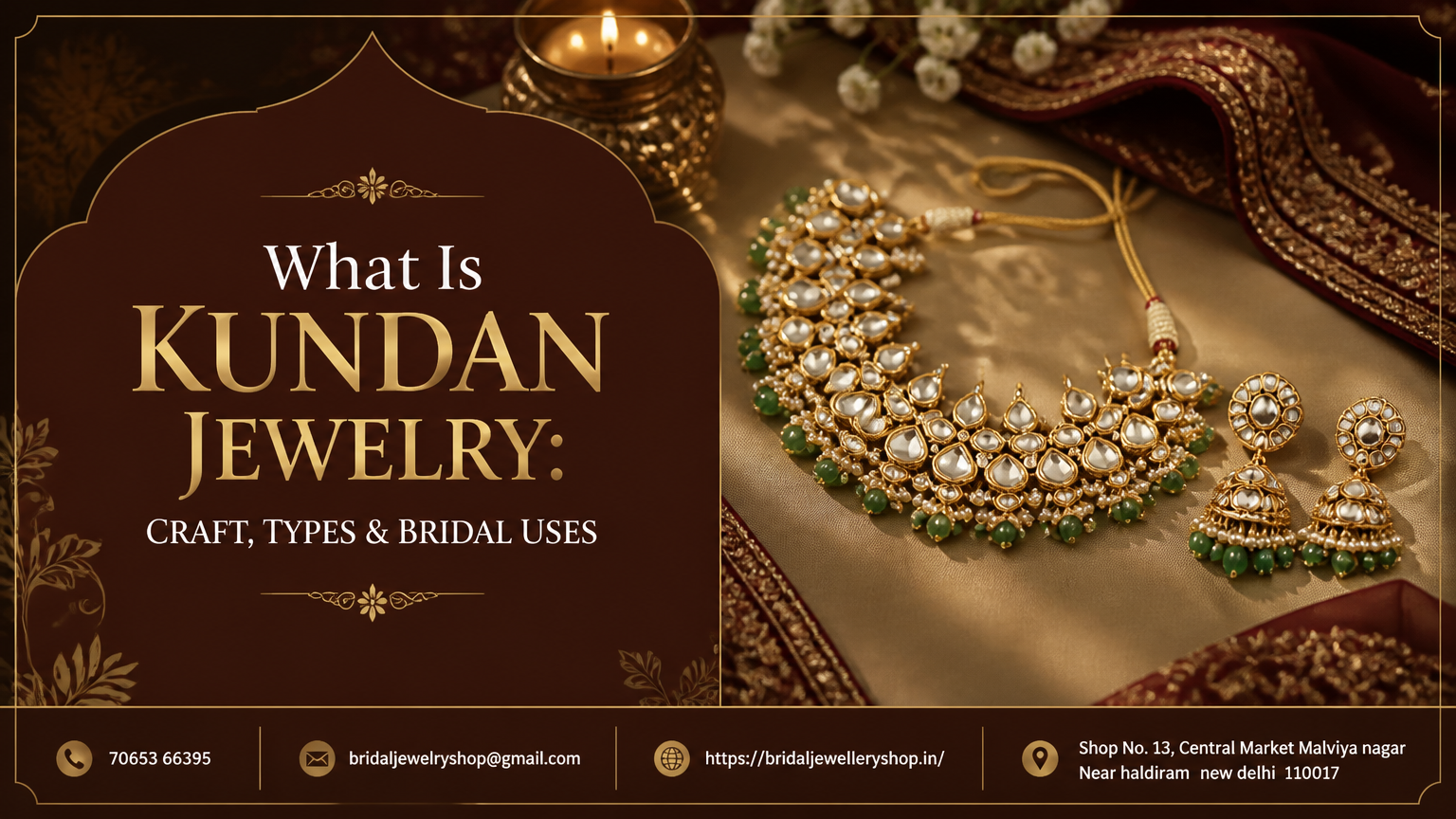
What Is Kundan Jewelry: Craft, Types & Bridal Uses (2026 Buyer’s Guide)
If you have ever wondered what is kundan jewelry and why every North Indian bride seems to wear it, you are not alone. Across Delhi markets, Jaipur lanes, and Hyderabad showrooms, kundan-style pieces remain the most requested bridal ornament in 2026. Recent coverage by Times of India confirms that roughly 70% of brides in Rajasthan, Delhi, Punjab, and Uttar Pradesh still choose kundan for their main wedding ceremony, making it less a passing trend and more a living craft tradition. Yet confusion persists about its origins, materials, and how it differs from polki and jadau. This guide breaks down the definition, the royal history, the five-step making process, and the practical buying tips you need before you shop.
TL;DR / Quick Answer
Kundan jewelry is a traditional North Indian ornament style that uses gold foil to set polki-style stones or glass into a handcrafted framework, with meenakari enamel often applied to the reverse. Originating over 2,500 years ago in the royal courts of Rajasthan and Gujarat and refined under Mughal patronage, it remains the dominant bridal jewelry style across North India today. Modern buyers can find both heirloom-grade and fashion kundan-style pieces, often distinguished by weight, finish, and craftsmanship details.
Table of Contents
- What Is Kundan Jewelry? Definition and Etymology
- The 2,500-Year History: From Vedic Courts to Mughal Empires
- How Kundan Jewelry Is Made: The 5-Step Craft Process
- Kundan vs Polki vs Jadau: Key Differences Explained
- Types of Kundan Jewelry: Necklaces, Maang Tikka, Chandbalis and More
- How to Identify Real vs Fake Kundan: 7-Point Checklist
- 2026 Price Guide and Trusted Artisan Hubs in India
- Styling Kundan for Weddings, Festivals and Modern Looks
- Care, Storage and Repair Guide
What Is Kundan Jewelry? Definition and Etymology
Kundan refers to a traditional gem-setting technique, not a gemstone itself. The word comes from the Sanskrit kundana, meaning “refined gold,” and the craft involves hammering pure 24-karat gold into ultra-thin foil that is then used to grip stones from behind without heat or prongs. This unique cold-setting method is found almost nowhere else in the world and is the defining signature of authentic kundan work.
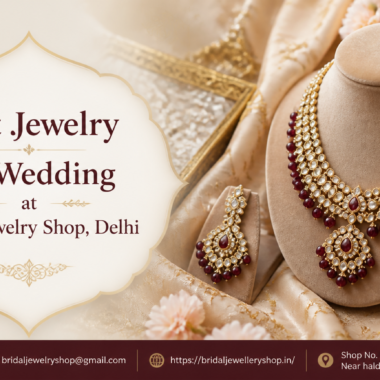
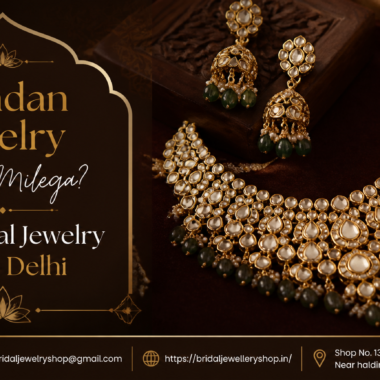
In modern retail, the term broadly covers kundan-style ornaments, ranging from heirloom-grade pieces using traditional gold-foil techniques and polki-style stones, to fashion-bridal versions using brass, copper, or alloy bases plated in gold tone and set with crystals, glass, or colored stones. Both versions follow the same visual vocabulary: layered floral motifs, meenakari enamel backs, and richly colored stonework. If you are exploring the look for a wedding, shop traditional kundan jewelry to compare designs, weights, and finishes before committing to a set. For shoppers curious about the brand behind these collections, you can learn more about Bridal Jewelry Shop and the team that curates them.
The 2,500-Year History: From Vedic Courts to Mughal Empires
Kundan’s documented history in India stretches back to at least the 3rd century BCE, when royal courts in Rajasthan and Gujarat commissioned gemstone-set ornaments for ceremonial use. The craft flourished in the 16th century under Mughal emperors, particularly Akbar, whose queens popularized the layered choker-and-haar silhouette that defines bridal kundan today. The patronage of Rajput maharajas and later the Nizams of Hyderabad carried the technique into the 18th and 19th centuries, expanding its use beyond jewelry to hookah bases, dagger hilts, paan boxes, and archer’s rings.
This royal lineage is why kundan has historically carried a premium, even when the metal beneath the foil is a base alloy. Mughlai influence introduced the meenakari enamel reverse, while Rajput ateliers perfected the dense floral clusters you still see in contemporary bridal sets. According to Impart’s research, the kundan ateliers of Jaipur and Bikaner were once court-sponsored guilds, and many family names you encounter in Delhi’s Chandni Chowk or Jaipur’s Johari Bazaar trace their lineage directly to those royal karigars. In 2026, this heritage is being revived by designer brands, rental services, and traditional ateliers alike.
How Kundan Jewelry Is Made: The 5-Step Craft Process
The making of an authentic kundan piece follows a precise, multi-artisan sequence that can take two to four months per item, according to craft documentation from the Asia InCH Encyclopedia of Intangible Cultural Heritage. The first stage, called Ghaat, is the construction of the skeletal gold or alloy framework that gives the piece its shape. The second stage, Paadh, involves pouring lac or wax into the frame to hold the design in place, while the third stage, Khudai, focuses on engraving the intricate motifs that frame each stone.
The fourth stage, Pakai, is the signature step: 24-karat gold foil is cold-soldered around each stone to grip it, without any heat or prongs, which is what gives kundan its flush, glowing surface. Finally, Chillai is the polishing and finishing stage that reveals the final color and luster. Different artisans historically handled each stage, with chiterias designing, ghariyas engraving, and goldsmiths completing the foil work. Understanding this sequence helps you evaluate quality: a well-made kundan-style piece will have clean engravings, tight stone settings, and a smooth enamel back, even when the metal is fashion-grade rather than solid gold.
Kundan vs Polki vs Jadau: Key Differences Explained
Kundan, polki, and jadau are often used interchangeably, but they describe different things. Kundan is the gold-foil setting technique itself. Polki refers to an uncut-diamond-inspired look, often used as the stones inside a kundan setting, so a polki-style necklace is essentially a kundan piece set with polki-style stones rather than glass or colored stones. Jadau is the broader umbrella term for the entire category of embedded-stone jewelry from Rajasthan and Gujarat, encompassing both kundan and polki-style work.
| Feature | Kundan | Polki | Jadau |
|---|---|---|---|
| Meaning | Gold-foil setting technique | Polki-style uncut-diamond-look stone | Umbrella craft category |
| Stones used | Glass, crystals, colored stones, polki-style stones | Polki-style uncut-diamond-look stones | Any embedded stones |
| Origin | Mughal-Rajput courts | Mughal-Rajput courts | Rajasthan and Gujarat |
| Typical look | Colorful, layered, floral | Soft white sparkle, organic shapes | Both, depending on design |
| Price tier | Entry to mid | Mid to high | Wide range |
For a buyer, the practical takeaway is simple: a kundan-style bridal set is the most accessible, polki-style is the heirloom upgrade, and jadau is the family of techniques that includes both. Many retailers in Delhi’s jewelry market, including rental showrooms, will use these terms loosely, so it pays to ask whether the foil is gold-plated or solid, and whether the stones are glass, crystal, or polki-style.
Types of Kundan Jewelry: Necklaces, Maang Tikka, Chandbalis and More
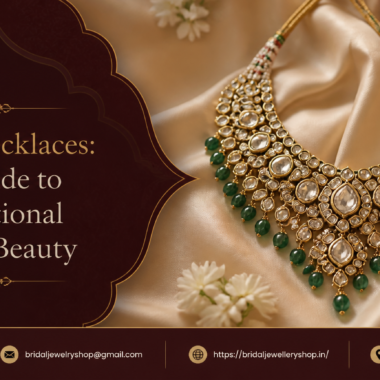
A complete North Indian bridal trousseau traditionally includes several kundan-style pieces, each designed for a specific part of the body and ceremony. Kundan haar (long necklace) and choker sets anchor the bridal look, often layered two or three deep. Maang tikka and mathapatti sit on the forehead, with mathapatti running across the hairline for the main wedding ceremony. Chandbali earrings, named for their crescent-moon shape, are a Mughal favorite, while jhumkas add a more rounded, temple-inspired silhouette.
Beyond the face and neck, kundan appears in hathphool (hand harnesses), kadas (bangles), baajubandh (armlets), and even nath (nose rings) for the most elaborate trousseaus. If you want to see the range under one roof, browse our Indian Ethnic Jewellery collection which includes coordinated sets of necklaces, earrings, and forehead pieces. For shoppers building a wardrobe beyond bridal, view our complete jewelry collection to compare kundan-style pieces with American diamond earrings, maroon statement drops, and pastel stone bracelets for events beyond the wedding.
How to Identify Real vs Fake Kundan: 7-Point Checklist
Spotting a well-made kundan-style piece from a cheap imitation is easier when you know what to look for. The seven-point checklist below is what most experienced stylists use, and it works for both heirloom and fashion-grade pieces.
| # | Checkpoint | What to Look For |
|---|---|---|
| 1 | Reverse back | Meenakari enamel or clean foil finish, not rough paint |
| 2 | Stone setting | Stones sit flush, foil wraps evenly, no visible glue |
| 3 | Weight | Well-made kundan has heft; featherlight pieces are usually hollow or plastic |
| 4 | Engraving | Fine, sharp detail on foil work, not blurred or stamped |
| 5 | Color palette | Muted, earthy tones age well; overly bright colors often fade |
| 6 | Maker’s mark | Designer or workshop stamps can indicate a known brand |
| 7 | Price realism | Pieces priced far below market rate usually cut corners |
For high-value or sentimental purchases, the safest move is hands-on evaluation. If you are shopping in Delhi, contact our experts for personalized kundan advice and bring your outfit to the showroom for a side-by-side comparison. The team at Bridal Jewelry Shop has guided hundreds of brides through exactly this decision.
2026 Price Guide and Trusted Artisan Hubs in India
Kundan-style jewelry in 2026 spans an enormous price range, from entry-level fashion pieces to museum-grade heirlooms. According to a Times of India bridal survey, North Indian bridal kundan sets in the broader market start around ₹1.5 lakh for 22K gold-foil pieces and climb past ₹9 lakh for statement haars with polki-style stones and full meenakari work. Fashion-bridal versions, which use base metals plated in gold tone and set with crystals or glass, sit far lower, often between ₹9,000 and ₹15,000 for a complete set, which is the range carried by most Delhi rental and retail showrooms.
The four most trusted artisan hubs in India are Jaipur (the modern kundan capital, home to the Shekhawat and Kasliwal workshops), Bikaner (known for bold Rajput silhouettes and thappa enamel work), Nathdwara (a temple-jewelry hub with devotional motifs), and Hyderabad (Nizami influence, often paired with pearls and emeralds). For Delhi shoppers who cannot visit these hubs directly, jewelry on rent options let you wear premium-style kundan for a fraction of the purchase price, and you can visit our Malviya Nagar showroom in Delhi to handle pieces in person before committing.
Styling Kundan for Weddings, Festivals and Modern Looks
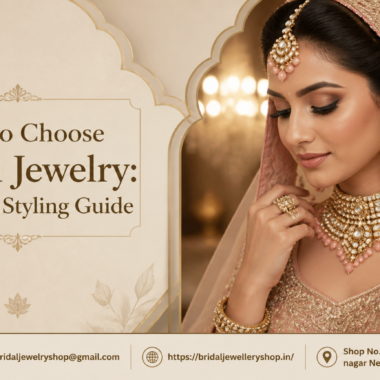
Kundan’s strongest styling move is contrast. A heavy kundan choker over a soft pastel lehenga is the signature 2026 bridal look, while a single chandbali pair with a kurta-set works beautifully for sangeet or Diwali. For modern fusion, kundan haars layered over solid-colored crop tops, saree gowns, or even anarkali jumpsuits are increasingly common, and the visual weight of the jewelry anchors the silhouette without competing with prints or embroidery.
Color coordination matters more than people think. Emerald, ruby, and sapphire-toned stones pair best with jewel-tone outfits, while polki-style and pearl-toned kundan reads as softer and more contemporary. If you are planning multiple looks across a wedding week, rent kundan jewelry for your wedding so you can switch silhouettes between mehendi, sangeet, and the main ceremony without overspending. For the reception, you can explore modern western jewelry for contemporary looks and mix it with one or two kundan pieces for a fusion finish that photographs well.
Care, Storage and Repair Guide
Kundan-style pieces last for generations when cared for correctly, but they are also more delicate than they look. The gold foil and stone setting can be damaged by perfumes, sweat, and humidity, so the first rule is simple: jewelry on, perfume last, and wipe gently with a soft muslin cloth after every wear. Store each piece separately in a fabric-lined box, ideally with a small silica pouch, and never stack heavy items on top of a choker or haar because the foil can bend and stones can loosen.
For long-term storage, wrap pieces in acid-free tissue and keep them in a cool, dry place away from direct sunlight. If a stone comes loose, the enamel chips, or the foil tarnishes, do not attempt at-home repairs, the cold-setting technique requires an artisan’s hand. If you need restoration advice or want a piece checked before a big event, get in touch for kundan styling consultation and bring the piece in for evaluation. For readers who want to go deeper into jewelry care, read more jewelry tips on our blog where we cover storage, cleaning, and seasonal maintenance in more detail.
Conclusion
So, what is kundan jewelry at its core? It is a 2,500-year-old North Indian setting technique that uses gold foil to grip stones in a handcrafted framework, traditionally paired with meenakari enamel work and rooted in Mughal-Rajput royal patronage. In 2026, the craft remains the most requested bridal style across Rajasthan, Delhi, Punjab, and Uttar Pradesh, and is available at every price point from fashion kundan-style rental pieces to heirloom-grade polki-style sets. Whether you are a bride building a trousseau, a collector evaluating craftsmanship, or a shopper exploring kundan for the first time, the key is to understand the craft, evaluate quality with the seven-point checklist, and choose pieces that match both your budget and your occasion. For hands-on guidance and a curated range of kundan-style bridal and event pieces, browse the Bridal Jewelry Shop collection or book a styling consultation at the Malviya Nagar showroom.
FAQs
What is kundan jewelry and how is it different from regular gold jewelry?
Kundan jewelry is a traditional Indian gem-setting technique that uses hammered 24-karat gold foil to grip stones without heat or prongs, while regular gold jewelry typically uses soldered settings and may or may not include stones. Authentic kundan pieces are defined by the foil technique and often feature meenakari enamel on the reverse.
How long does it take to make a kundan jewelry set?
According to craft documentation from Asia InCH, a single small kundan-style piece can take between two and four months of skilled handwork, because the process involves multiple artisans handling design, engraving, foil setting, and polishing in sequence.
Is kundan jewelry still popular for brides in 2026?
Yes, a 2026 bridal survey cited by Times of India indicates that roughly 70% of brides in Rajasthan, Delhi, Punjab, and Uttar Pradesh still choose kundan for their main wedding ceremony, and celebrities like Hina Khan and Prajakta Koli have helped revive interest among younger buyers.
How can I tell if a kundan piece is well-made?
Check the reverse for clean meenakari enamel, ensure stones sit flush with no visible glue, look for sharp engraved details on the foil work, and avoid pieces that feel unusually light. Pieces priced far below market rate often cut corners on materials or craftsmanship.
What is the average price of a kundan bridal set in India?
In 2026, fashion kundan-style bridal sets in Delhi retail typically range from ₹9,000 to ₹15,000, while heirloom-grade 22K gold-foil sets in the broader market start around ₹1.5 lakh and statement haars with polki-style stones can exceed ₹9 lakh.
Can I rent kundan jewelry instead of buying it?
Yes, rental services for kundan-style bridal jewelry are widely available in Delhi and other metros, and offer a cost-effective way to wear premium designs for a single event. Most rental showrooms, including Bridal Jewelry Shop, share pricing on request.
Which city is best known for authentic kundan craftsmanship?
Jaipur is widely regarded as the modern kundan capital, with Bikaner, Nathdwara, and Hyderabad also known for distinct regional styles. Buyers who cannot visit these hubs in person can shop trusted Delhi showrooms that source directly from these artisan clusters.